|
Ageing population puts
prevention and health
security higher on UAE
agenda
(DUBAI)
-
Governments are
facing growing pressure to
strengthen health security
while tackling chronic
disease as ageing
populations increase demand
for healthcare and social
services, with the UAE
expecting a sharp rise in
the number of people aged 60
and over.
The World
Health Organization (WHO)
estimates that the global
population aged 60 and over
will more than double, from
1 billion in 2019 to 2.1
billion by 2050, requiring
changes across health and
social care systems.
The increase is expected to
be particularly pronounced
in the United Arab Emirates.
The population aged 60 and
over is projected to rise
from about 311,000, or 3.1%
of the population, in 2020
to around 2 million, or
19.7%, by 2050, according to
the United Nations Population
Fund (UNFPA) estimates.
The
demographic shift is
prompting the UAE to expand
its focus on prevention and
healthy ageing. In Dubai,
the Dubai Economic Agenda
(D33) and Dubai Social
Agenda 33 underpin the newly
established Dubai
Longevity Authority, which
is tasked with developing a
regulated ecosystem for
prevention, healthy ageing
and healthcare investment.
At the federal level,
the National Strategy for
Wellbeing 2031, aligned with
UAE Centennial 2071,
identifies health and
wellbeing as key components
of the country's long-term
development.
The
ageing trend comes as
governments face the
combined challenge of
preparing for acute health
threats and containing the
rising burden of chronic
diseases. Health authorities
are increasingly looking at
prevention, preparedness and
long-term population health
as linked priorities.
These issues will form
part of the agenda at WHX
Leaders, an invitation-only
ministerial summit due to
take place in Dubai on Jan.
26, 2027, as part of
World Healthcare Week.
Held under the patronage
of the UAE Ministry of
Health and Prevention
(MOHAP), the summit is
expected to bring together
health ministers, global
institutions, sovereign
investors and healthcare
executives under the theme
“Health 2050: Designing the
Next Era of Proactive
Systems – Resilient Nations.
Thriving Lives.”
The
program will focus on two
areas: health security and
healthspan.
The
health security agenda will
examine preparedness for
future threats, including
predictive intelligence,
financing, biosecurity,
diagnostic capacity,
strategic supply chains and
global health diplomacy.
The healthspan agenda
will focus on reducing
chronic disease through
prevention, early
intervention, precision
medicine, healthy ageing and
national health strategies
aimed at extending years of
healthy life.
David Lynn, Chief
Executive Officer of inD,
which is organizing the
event, said the summit would
bring policymakers and
healthcare leaders together
to develop partnerships and
measurable outcomes.
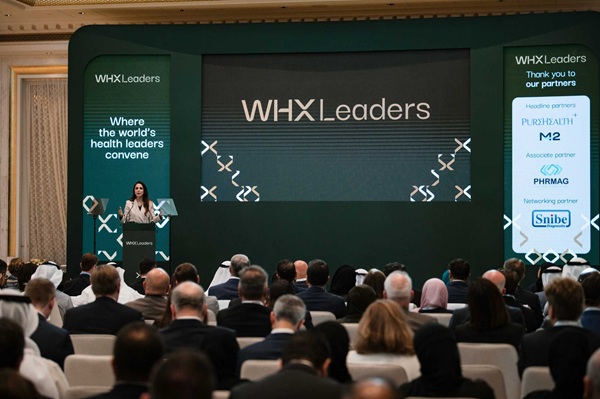
The 2027 meeting follows the
inaugural WHX Leaders summit
in Dubai in February 2026,
which focused on prevention,
health data, technology,
equity and collaboration in
healthcare.
At that
meeting, Shaista
Asif, Group Chief Executive
Officer of PureHealth,
said healthcare systems
needed to move beyond
expanding hospital capacity
and focus more on prevention
and longer, healthier lives.
Dimitris
Moulavasilis, Group Chief
Executive Officer of M42,
said genomics, artificial
intelligence and other
technologies could help
countries with limited
health data and resources
develop more preventive
healthcare models.
WHX Leaders will be held as
part of
World Healthcare Week,
which runs from Jan. 25-28,
2027, at Dubai Exhibition
Centre, Dubai Expo City, and
Dubai World Trade Centre.
 PRINT
THIS ARTICLE
PRINT
THIS ARTICLE
|